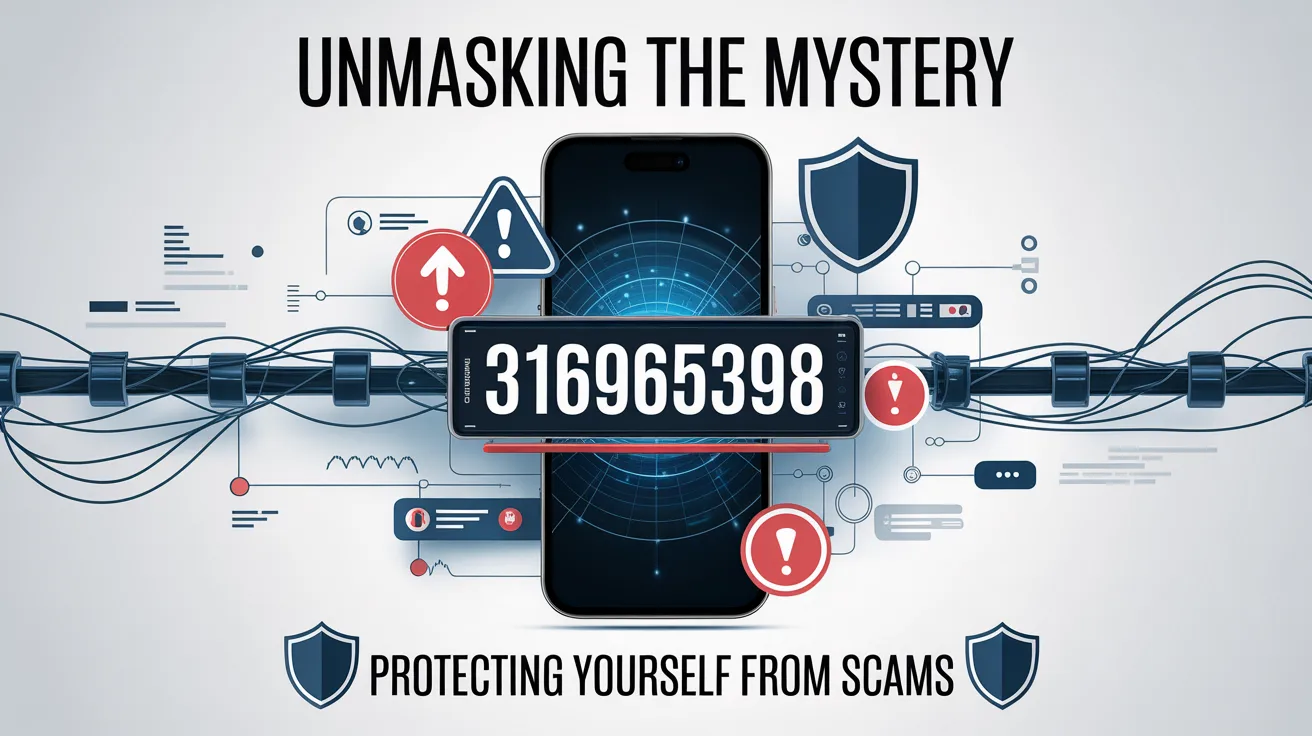
In the digital age where communication is instantaneous, 3160965398 has emerged as a phone number that raises eyebrows among those who’ve encountered it through unexpected calls or messages. This ten-digit sequence, originating from Wichita, Kansas, has been flagged in numerous reports as associated with potential scams, serving as a prime example of how everyday phone numbers can be weaponized for fraudulent purposes.
The Origins and Background of 3160965398
To understand 3160965398, we start with its basic anatomy. The prefix “316” is the area code for Wichita and surrounding regions in Kansas, a code assigned since the 1940s when the North American Numbering Plan was established. This area code covers a mix of urban and rural communities, including businesses, residences, and mobile users. The number 3160965398 itself is classified as a cell number, carried by Sprint Spectrum L.p., a provider known for its wireless services.
What makes 3160965398 notable is not its origin but its reputation. Reports indicate that calls from 3160965398 often involve automated messages or live agents pushing dubious offers, such as debt consolidation, warranty extensions, or prize winnings. These tactics align with common scam patterns, where numbers like 3160965398 are spoofed or rotated to evade blocking. For consumers, recognizing the background of 3160965398 helps in quick decision-making—whether to answer, block, or report.
From an expert perspective, numbers like 3160965398 highlight the vulnerabilities in the telecommunications system. The rise of Voice over IP (VoIP) technology allows scammers to mask their real locations, making 3160965398 appear local even if the call originates overseas. This spoofing technique exploits trust in familiar area codes, underscoring the need for verification tools beyond caller ID.
How 3160965398 Fits into the Broader Landscape of Phone Scams
Phone scams have evolved, and 3160965398 fits neatly into this landscape as a potential vector for robocalls or telemarketing fraud. Robocalls, pre-recorded messages that flood phones, often use numbers like 3160965398 to cast a wide net, hoping to hook unsuspecting recipients. Common schemes linked to similar numbers include IRS impersonations, where callers from 3160965398 claim unpaid taxes and demand immediate payment via gift cards or wire transfers.
Telemarketing fraud is another angle for 3160965398. Reports suggest calls from this number promote extended car warranties or credit card rate reductions, using high-pressure tactics to extract personal information. The Federal Trade Commission notes that such scams cost consumers billions annually, with numbers like 3160965398 contributing to the problem by rotating frequently to avoid detection.
Expert analysis reveals that 3160965398’s carrier, Sprint (now part of T-Mobile), has mechanisms to flag suspicious activity, but the sheer volume of calls makes enforcement challenging. This context adds value for readers, as it explains why blocking 3160965398 might not stop similar calls—scammers simply switch to new numbers. Instead, focusing on pattern recognition, like repeated calls from Kansas prefixes without known contacts, empowers individuals to stay vigilant.
Identifying Calls from 3160965398 and Similar Numbers
Identifying a call from 3160965398 starts with awareness of red flags. If 3160965398 appears on your caller ID and you’re not expecting a call from Wichita, proceed with caution. Scammers using 3160965398 often leave voicemails with urgent language, such as “Your account has been compromised—call back immediately.” Legitimate entities rarely use such tactics; banks or government agencies contact via official channels.
Reverse lookup tools can verify 3160965398, revealing its cell status and scam associations. Community-driven databases flag 3160965398 based on user reports, providing ratings like “high risk” or “telemarketer.” For experts, delving into call metadata—time stamps, duration, and frequency—helps distinguish harmless wrong dials from persistent scams.
Adding value, consider the psychological aspect: Scammers behind 3160965398 exploit fear or greed. Training yourself to pause and verify—by calling official numbers rather than returning 3160965398—prevents falling victim. This proactive mindset transforms potential threats into learning opportunities.
The Technology Behind Spoofing 3160965398
Spoofing technology enables scammers to display 3160965398 even if they’re calling from elsewhere. VoIP services like Google Voice or Twilio allow easy number masking, with 3160965398 chosen for its innocuous appearance. This tech democratizes fraud, as anyone with basic knowledge can spoof 3160965398 using apps or online platforms.
From an expert standpoint, the STIR/SHAKEN protocol aims to combat this by authenticating calls, but adoption is incomplete. Calls from 3160965398 might lack verification stamps, signaling potential spoofing. Network providers are implementing call attestation levels—A for full verification, C for none—helping users assess 3160965398’s legitimacy.
This knowledge equips readers to advocate for better carrier protections and use apps that filter based on attestation, reducing unwanted contacts from 3160965398.
Strategies to Block and Report 3160965398
Blocking 3160965398 is straightforward on smartphones: Use built-in features to add it to reject lists. Apps like Nomorobo or Truecaller automate this, scanning for 3160965398’s scam rating and intercepting calls. For landlines, carrier services like AT&T’s Call Protect can flag 3160965398.
Reporting amplifies impact. Submit 3160965398 to the FTC via DoNotCall.gov or FCC complaints, providing details like call time and content. This data helps authorities track patterns, potentially leading to shutdowns of operations using 3160965398.
Expert strategies include enabling “silence unknown callers” on devices, which mutes 3160965398 if not in contacts. Combining this with reporting creates a layered defense, adding value by empowering users to contribute to collective safety.
Legal Ramifications for Using 3160965398 in Scams
Scammers operating through 3160965398 face serious legal consequences under laws like the Telephone Consumer Protection Act (TCPA), which prohibits unsolicited robocalls. Fines for violations can reach $1,500 per call, with numbers like 3160965398 traced back to perpetrators through subpoenas.
Internationally, regulations vary, but the US collaborates with countries to dismantle rings using 3160965398 for cross-border fraud. Experts recommend documenting calls from 3160965398 as evidence for potential class-action suits, where victims recover damages.
This legal framework provides reassurance, showing that reporting 3160965398 isn’t futile but part of a larger effort to curb telecom abuse.
Comparative Analysis of Scam Numbers Like 3160965398
Comparing 3160965398 to other scam numbers reveals patterns:
| Number | Area Code Origin | Common Scam Type | Report Frequency |
|---|---|---|---|
| 3160965398 | Kansas | Robocall/Warranty | High |
| 202-455-8888 | Washington D.C. | IRS Impersonation | Very High |
| 855-912-9436 | Toll-Free | Debt Collection | Moderate |
| 888-934-6489 | Toll-Free | Tech Support | High |
| 360-203-0997 | Washington | Prize Scam | Low |
3160965398’s high frequency stems from its mobile nature, easier to spoof. Unlike toll-free numbers, 3160965398 blends in as local, increasing answer rates. This analysis helps prioritize threats, focusing defenses on numbers like 3160965398.
Impact on Consumers and Businesses
Consumers facing 3160965398 lose time and potentially money to scams. Businesses suffer too, as spoofed numbers like 3160965398 damage reputation if legitimate lines are mimicked. Mitigation involves educating employees on 3160965398 patterns and using verified caller ID systems.
The economic toll from numbers like 3160965398 reaches billions, but awareness reduces it. Value lies in community resources, where sharing experiences with 3160965398 builds collective defenses.
Prevention Tools and Technologies Against 3160965398
Tools like Hiya or RoboKiller use AI to detect 3160965398 based on patterns. Carrier apps block 3160965398 automatically. Advanced tech like blockchain-based caller verification could eliminate spoofing of 3160965398.
Experts recommend multi-factor apps that cross-reference 3160965398 with global databases. This tech evolution adds value, turning passive users into active protectors.
Psychological Tactics Used in Calls from 3160965398
Calls from 3160965398 employ urgency, authority, and reciprocity to manipulate. Counter by questioning claims and verifying independently. This psychological insight empowers responses to 3160965398, reducing scam success.
Future Trends in Combating Numbers Like 3160965398
Future defenses against 3160965398 include AI-driven call screening and global registries. As 5G expands, real-time verification could flag 3160965398 instantly. These trends promise a scam-reduced future.
Conclusion
3160965398 exemplifies the persistent challenge of phone scams, but with knowledge and tools, it’s manageable. Staying informed about 3160965398 protects against deception, ensuring safer communications.